19 ENE 2026
The surge in electricity demand—fueled by massive data centers and the heavy lifting of artificial intelligence—is rewriting the global energy playbook. The scale, speed, and sheer operational intensity of this demand are creating needs that often outpace the reach of traditional infrastructure.
In this new reality, natural gas is reclaiming center stage as a flexible, "ready-now" source. Its ability to support mission-critical operations requiring 100% uptime makes it indispensable, especially where digital growth is outrunning the expansion of power and thermal grids.
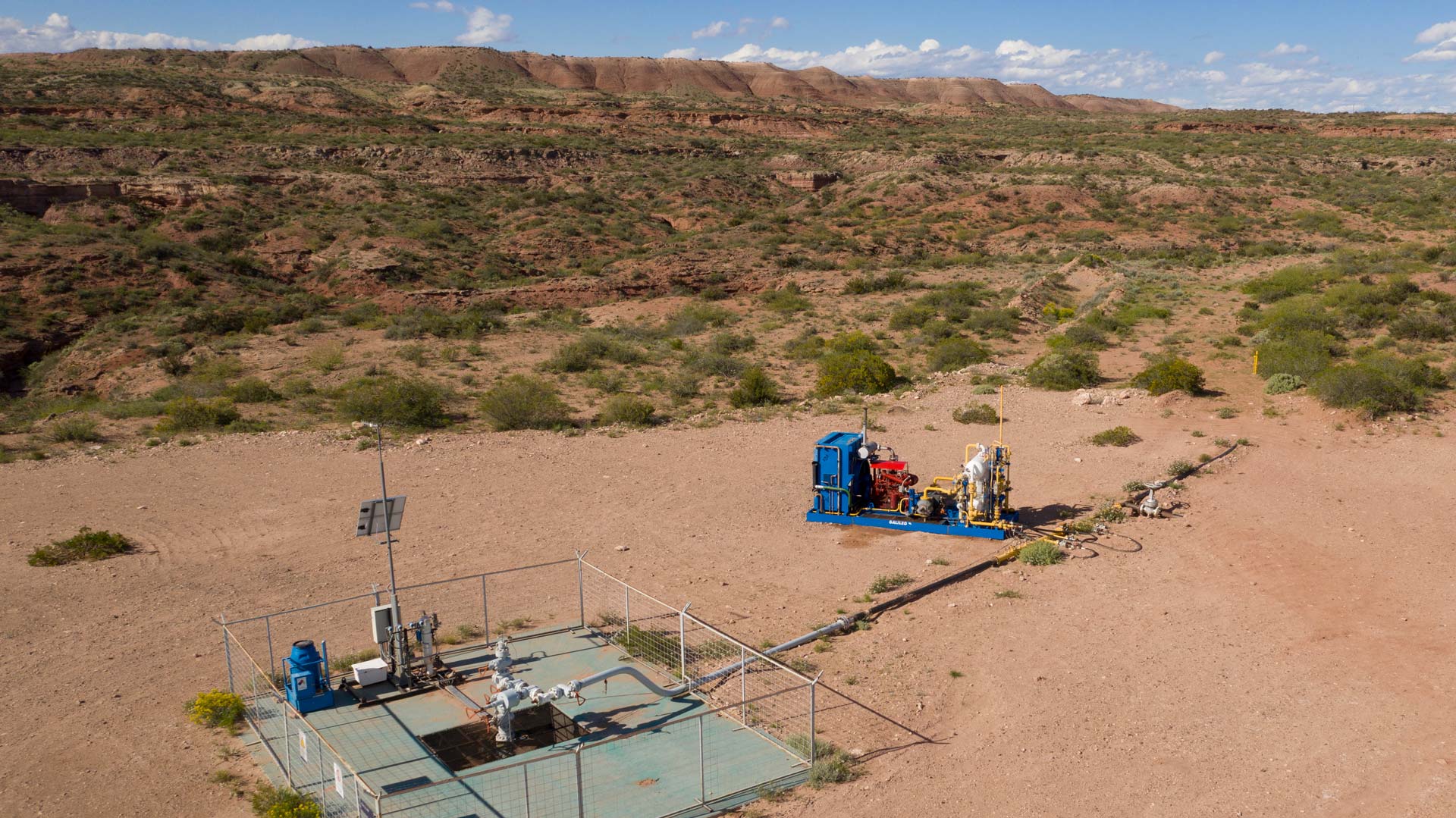
However, midstream infrastructure isn't always keeping up. Massive pipeline projects, fixed compression stations, and gathering developments usually involve long lead times. Meanwhile, wells are already drilled and the gas is ready to deliver value. When the midstream lags, production gets trapped at the wellhead, leading to "lost" volumes during the very months when prices—and demand—are highest.
This is where early wellhead compression becomes a game-changer. It’s not just about managing a reservoir’s natural decline; it’s about proactively managing the conditions that dictate flow stability—relieving surface pressure, maintaining drawdown, and eliminating the bottlenecks that choke production.
This operational logic is what we call “Zero Decline Thinking.” In a market where time is just as precious as steel in the ground, mobile and adaptable early compression has become the go-to solution for sustaining production in a world that can’t afford to wait.
The new global energy context
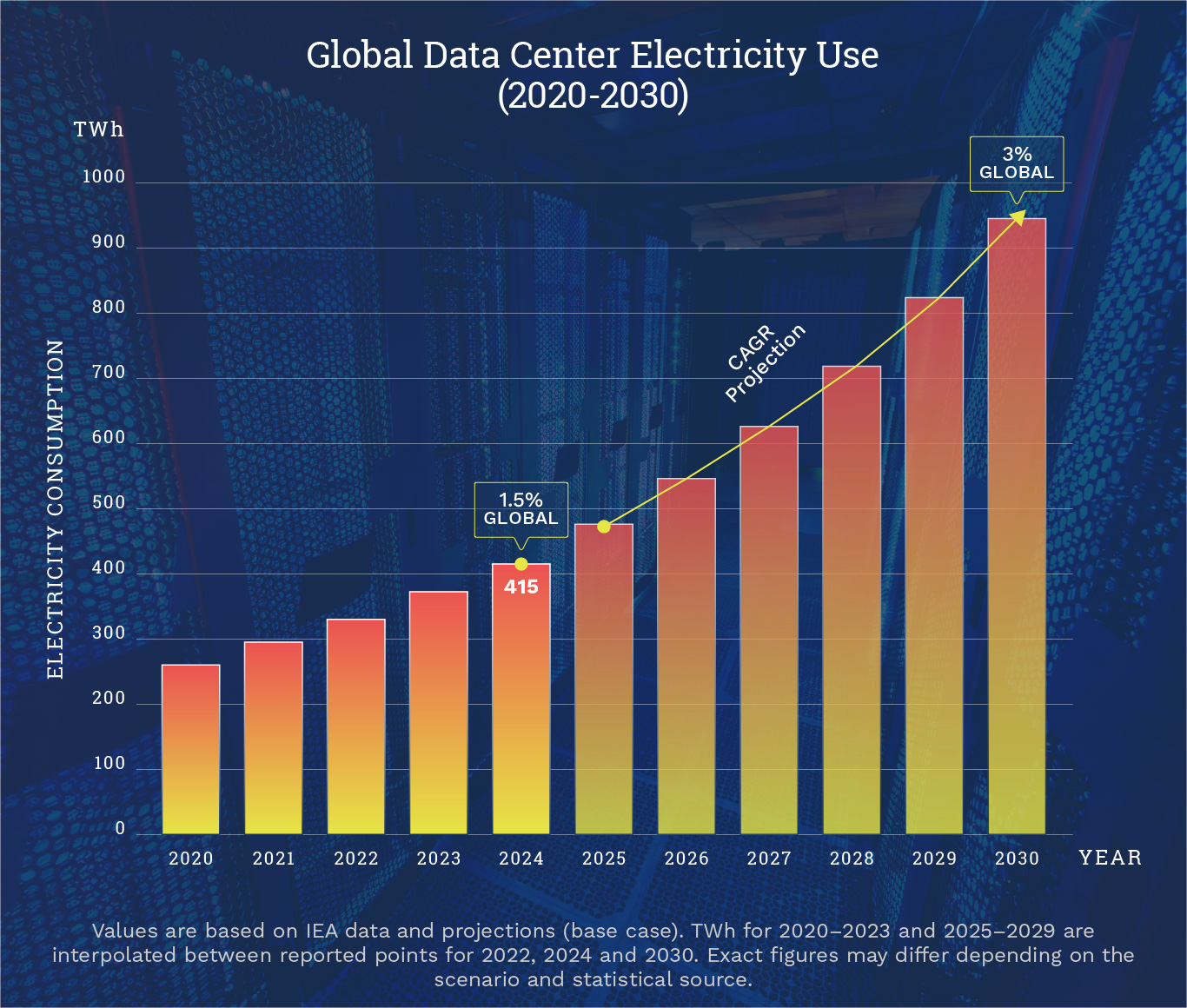
Data centers are the primary engine behind the steady climb in global power demand. These facilities require "always-on" reliability, making them dependent on energy sources that offer a continuous, stable supply. According to the IEA, data center power consumption could double by 2030—a pace that pushes energy infrastructure to its breaking point.
Natural gas is the key stabilizer here: it offers flexibility, can be deployed faster than many alternatives, and provides a "firm" supply in environments where demand can spike without warning. The problem? Fixed infrastructure rarely moves with that same agility.
This gap between market urgency and midstream expansion is redefining how the industry views operational speed.
The reality of the upstream: Wells that decline faster than the grid can grow
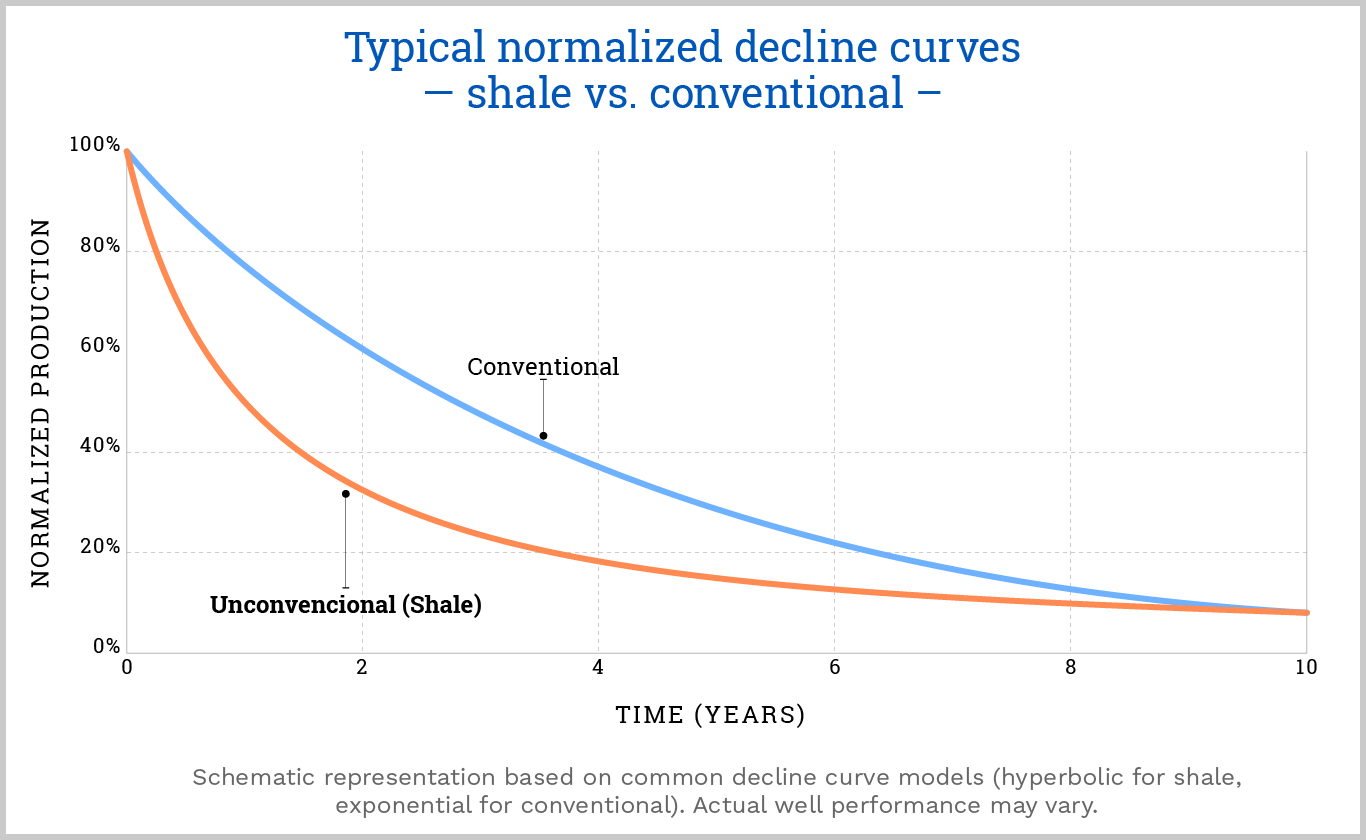
Gas wells decline—that’s a fact of life. But the speed and shape of that decline depend heavily on surface conditions. In unconventional plays, the initial drop-off is aggressive. In mature conventional fields, the decline is gentler, but low pressure and high backpressure (pressure in the line that fights the well’s flow) can kill production entirely.
In shale plays, it’s common to see a 50–70% drop in the first six months, followed by another 20–30% dip in year two. In contrast, mature conventional wells typically decline at 8–15% annually, but their low energy makes them hypersensitive to surface restrictions.
When line pressure is high or gathering systems are maxed out, the well underperforms. This leads to intermittency, shut-ins, and lost production windows that can never be recovered. It’s a direct hit to the bottom line.
Line pressure and backpressure are the ultimate deal-breakers. A modest increase of 50–100 psi in backpressure can slash flow by 8–20%. In shale wells, a 15-day shut-in can result in a loss equivalent to 2–4% of annual production simply because the reservoir is at its highest energy state—every day gas isn't moving is volume lost forever.
Understanding this dynamic isn't just a technical exercise; it’s the foundation for deciding when to intervene and how to protect production during high-value months.
“Time is the new midstream”: Time as the ultimate energy bottleneck
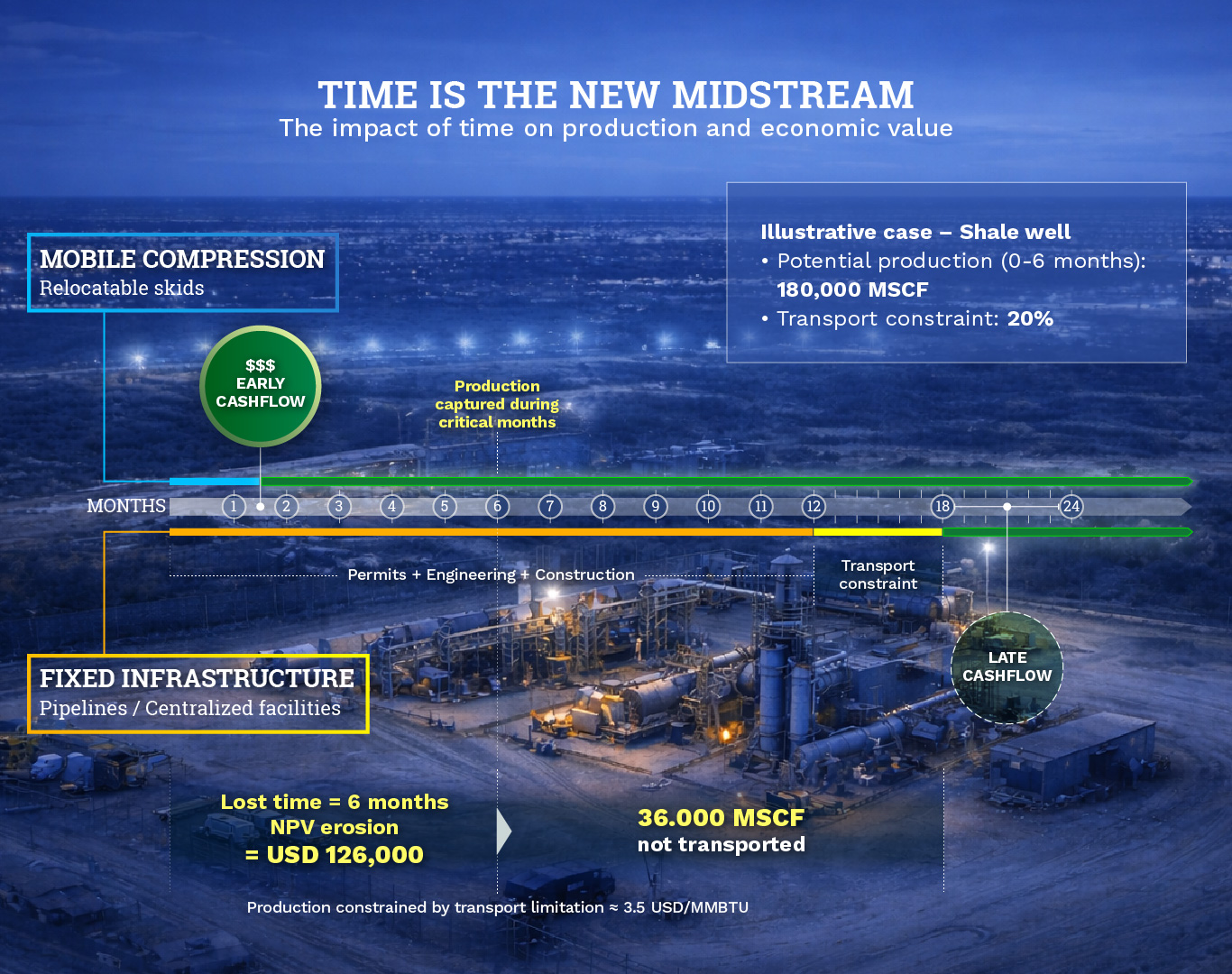
The gap between the speed of demand and the pace of midstream development is now one of the biggest constraints on natural gas. Fixed infrastructure—pipelines, gathering expansions, centralized compression—runs on 12-to-24-month schedules. Meanwhile, the power needs for data centers can materialize in weeks.
A new well can be online in days, but that gas is useless if the downstream infrastructure isn't ready to take it. In many cases, takeaway capacity dictates the production curve more than the reservoir itself. In crowded basins, a line operating 150–300 psi above the "sweet spot" can restrict flow by 10–30%. That lost volume during the early months—when the well’s natural energy is at its peak—is gone for good. This lag has given rise to a new industry mantra: Time is the new midstream.
For digital loads that require zero downtime, waiting two years for a pipeline isn't an option. They need "firm gas" now. Every month without takeaway capacity means lost flow, deferred revenue, and a permanent dent in a project’s NPV (Net Present Value).
Consider this: A shale well with a potential of 180,000 MSCF in its first six months—its most productive phase—facing a 20% takeaway restriction. That well only moves 80% of its potential. That’s 36,000 MSCF of gas that will never be recovered.
At a $3.50/MMBTU benchmark, that’s a direct loss of roughly $126,000. If that restriction lingers into year two, the cumulative hit to the NPV can easily exceed $150,000, even under conservative estimates.
Development decisions once based on installed capacity now require alternatives that accelerate "first gas." Mobile infrastructure—early compression, relocatable skids, and modular solutions—is gaining ground not by replacing fixed midstream, but by bridging the time gap.
Early wellhead compression: intervene sooner, not later
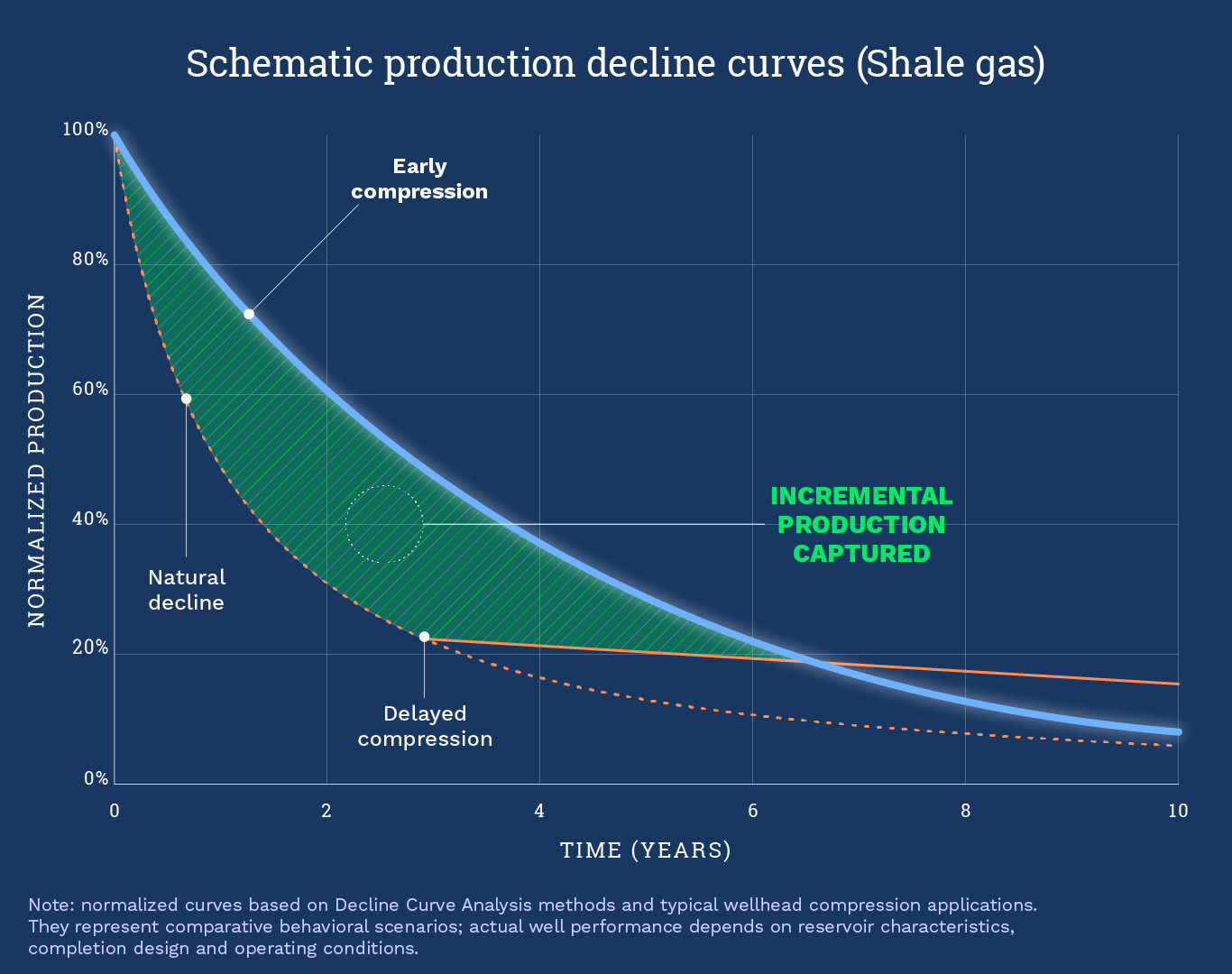
Early compression changes the boundary conditions from day one. By lowering tubing head pressure (THP) and relieving line pressure, it boosts effective drawdown and sustains flow during the phase where every month of production has the biggest impact on project value.
In shale wells, a 50 to 150 psi reduction in THP during those first few months can boost flow by 10% to 25%. When compression arrives late, the damage is already done; the 50–70% drop has already occurred.
This can be clearly seen in a typical conceptual example:
The conceptual takeaway: Early compression can deliver an extra 30,000 to 45,000 MSCF in the first year alone—a 15–25% jump in cumulative production.
In the upstream economy, consistency trumps the peak. A cubic foot produced today is inherently more valuable than the same volume produced a year from now, and your NPV will directly reflect that time sensitivity. Using a benchmark price of $3.50/MMBTU, an incremental 40,000 MSCF in year one plus 20,000 MSCF in year two can drive an NPV boost of over $200,000 per well—even under conservative assumptions.
This is where early compression becomes the decisive factor. By maintaining continuity and maximizing cumulative production during the high-yield initial phase, it locks in gains that late-stage intervention simply cannot recover. The goal isn't just to chase a higher peak; it’s to prevent the value erosion that occurs when a well is forced to operate under unfavorable surface conditions.
In fast-declining shale plays, this approach sustains flow during those make-or-break early months. In mature conventional fields, it restores operational stability. And in areas where gathering systems are maxed out, it keeps production moving while fixed infrastructure catches up.
“Zero Decline Thinking” – An operational philosophy
Decline is a law of nature in the reservoir, but its impact on the ledger isn't set in stone. Over the years, the industry has developed tools to flatten the curve: drawdown control, boundary condition optimization, and early intervention. Today, these practices are more valuable than ever because energy demand is moving faster than the grid.
This proactive, "front-loaded" approach is what we call “Zero Decline Thinking.” It’s not about fighting physics; it’s about designing the curve so you don’t suffer from it. By lowering surface pressure and allowing the well to deliver more "useful volume" early on, you stop reacting to the decline and start managing it.
Micro-infrastructure: Assets that follow the gas
For decades, the paradigm was simple: the gas had to go to the infrastructure. Pipelines and central plants set the pace. Today, that model is flipped.
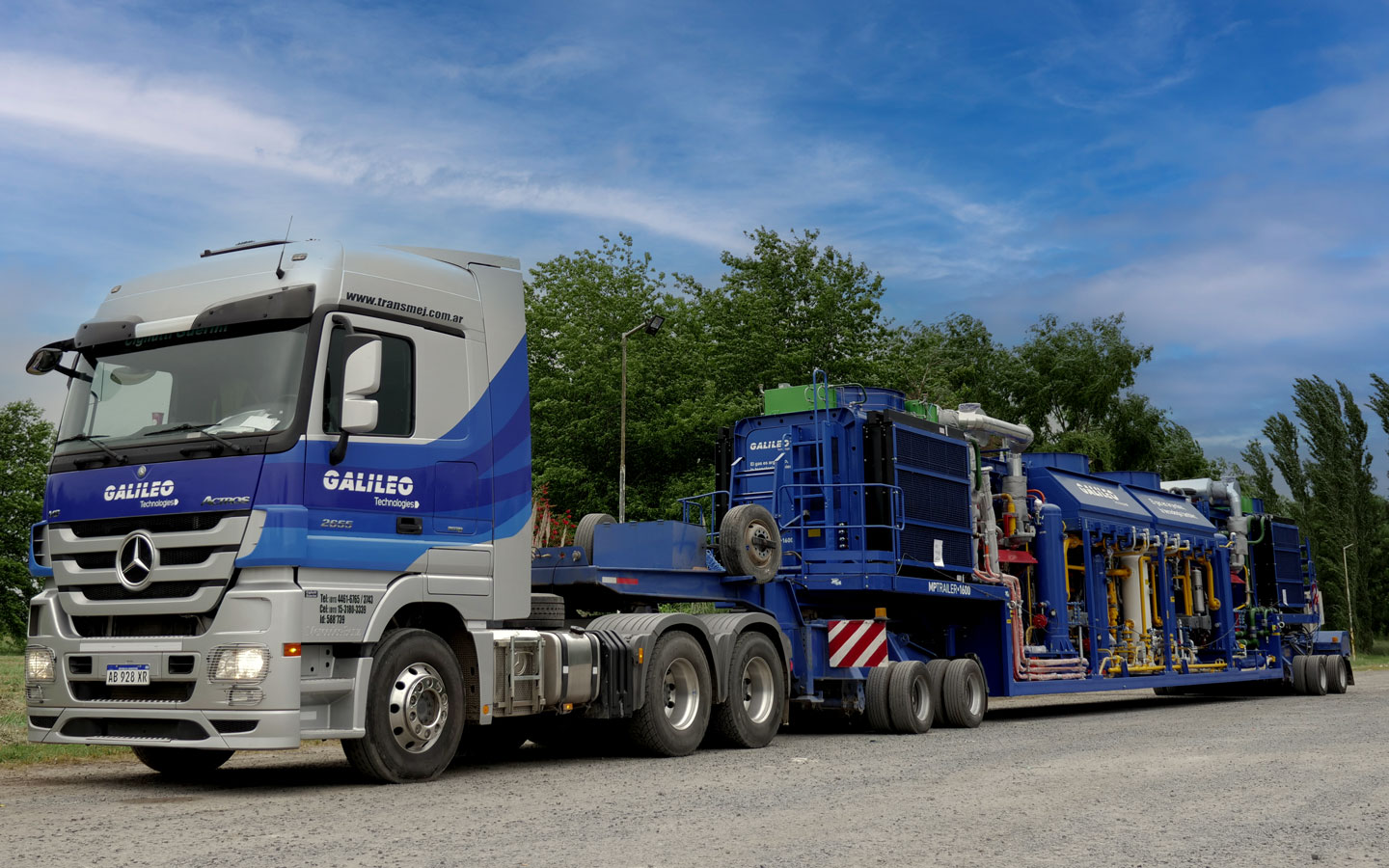
The lag in midstream expansion has birthed a new era of modular, mobile solutions. Relocatable compression skids and virtual pipelines allow production to move even when the midstream is choked or delayed. These aren't replacements for fixed assets—they are the "connective tissue" that reduces dependency on long lead times.
These mobile alternatives aren’t designed to replace fixed infrastructure—they are built to complement it. By breaking the cycle of long-lead-time dependency, they allow gas to reach the delivery point while permanent facilities are still in the construction phase. In many projects, this operational flexibility is the "secret sauce" that maintains continuity and allows producers to bypass unnecessary constraints.
A new way to think about gas production
The digital energy boom is shattering traditional industry timelines. In a world where decisions must be made faster and with more precision, early compression has emerged as a critical tool for preserving value.
It represents a fundamental shift: intervening when the well has the most to give, not when it’s already exhausted. In an era where time is just as important as the infrastructure itself, this kind of operational agility is the difference between capturing an opportunity and watching it slip away.